

Take for instance Paris, what do you think of? The Eiffel Tower.
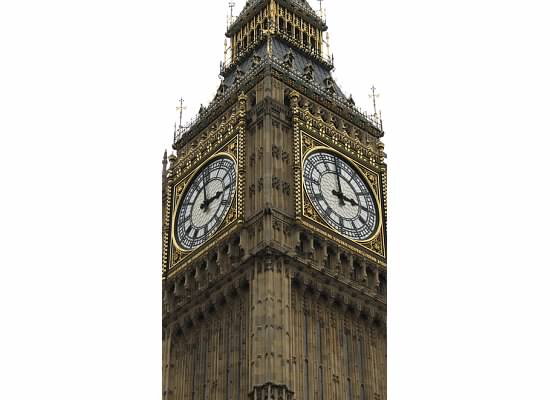
Or London? Big Ben.

Walt Disney World? Cinderella's Castle.
When I go to a place that has a famous icon the first thing I want to do is take lots of photos of it, capturing it from every angle. Always looking for that one unique shot that nobody else has taken.
In Kat Sloma's Sense of Place class material she makes a spot on statement about photographing icons.
"Icons of famous places are irresistible, yet often difficult to capture.
You may be so excited to see and experience a place in person you
can barely contain your enthusiasm as you photograph the icons. You
may take hundreds of pictures, reveling in the excitement of actually
being there. Yet when you review your images later, it is easy to find
yourself disappointed with the results. Why? We've been conditioned
to expect great photographs of icons through the media. Beautiful
photographs are found on postcards, posters, websites, books and
magazines. Icons become icons through many years of extended use
in imagery associated with a place. The images you see are usually
the best of the best, amazing captures created over what might be
years of study by artists and photographers. This is a tough
comparison for the images you capture in a single visit."

I have definitely felt this way. I had no grand expectations when we visited the Eiffel Tower. I was still too new to my camera, and still happily shooting in automatic mode. The Louvre and Notre Dame would have been so much better if there had been less people in my way.

I did however expect spectacular results when we stayed at Glacier Park Lodge in East Glacier Montana last summer. I had seen many beautiful captures of this lodge and I knew I was capable of getting those same results. What I didn't take into account was the fact that we were only there two nights, that we were busy during the day and that it would be raining on our last morning there when I could have gotten up early to catch the golden hour.

My one exception to this feeling of disappoint when photographing an icon was when we visited the American Cemetery in Normandy. Even though we were only there for an hour, I was able to capture exactly what I was hoping for and I think that has more to do with connection to the place than the actual photographs themselves. I have always been fascinated by the European part of WWII, and standing in that cemetery creates an emotion that it is beyond words. Also there was a stillness there that doesn't exist at the other icons I have visited, making it much easier to be in the moment and connect to the history and emotion of the place.
Here is another thought from Kat:
"Instead of attempting to recreate the "postcard shot" try
spending your time and energy on capturing the icon
with a point of view unique to you."
You can still make an attempt at that iconic shot, but also take shots that are true to your style of photography. For me, as I shared in last week's post, I prefer to shoot subject alone and particularly bits and pieces of the subject. Although as I continue to work through this course material I am realizing the importance of subject in context, at least for a shot or two, to help tell the story.
In the end, embrace your style and shoot those icons in your own distinct way. You will be much happier with the results instead of trying to recreate the picture perfect postcard.
